

Is Spinach Sabotaging Your Bones?

What Women in Perimenopause and Menopause Need to Know About Oxalates, Calcium, and Blanching

If you're a woman in perimenopause or menopause, you're likely paying closer attention to bone health, calcium intake, and nutrient absorption—and for good reason. Declining estrogen levels during this stage of life can accelerate bone density loss, increasing the risk of osteopenia and osteoporosis. You may have heard that spinach is a calcium-rich superfood, but here's the surprising truth:
raw spinach may be working against your bone health.
The Hidden Problem with Raw Spinach: Oxalates
Spinach is indeed rich in calcium, but it also contains high levels of oxalates (oxalic acid)—naturally occurring compounds that can block the absorption of calcium and iron in the gut.
Raw spinach contains between 647–1286 mg of oxalates per 100g.
One cup of raw spinach has about 291 mg of oxalates.
Only about 5% of spinach’s calcium is actually absorbed by your body due to these compounds.
For women over 40, especially those navigating hormonal shifts, this can be problematic. The body needs bioavailable calcium—that is, calcium that’s actually absorbed and used to build strong bones. And sadly, with raw spinach, most of that calcium is just passing through.
More About Oxalates
Oxalates are considered antinutrients because they bind to calcium, iron, and other minerals, forming compounds that your body can't absorb. Over time, high oxalate intake can lead to issues such as:
Reduced calcium absorption
Increased risk of kidney stones
Lower iron bioavailability, which can worsen fatigue and anemia in midlife
How to Reduce Oxalates and Still Enjoy Spinach: The Power of Blanching
Good news! You don’t have to give up spinach altogether!
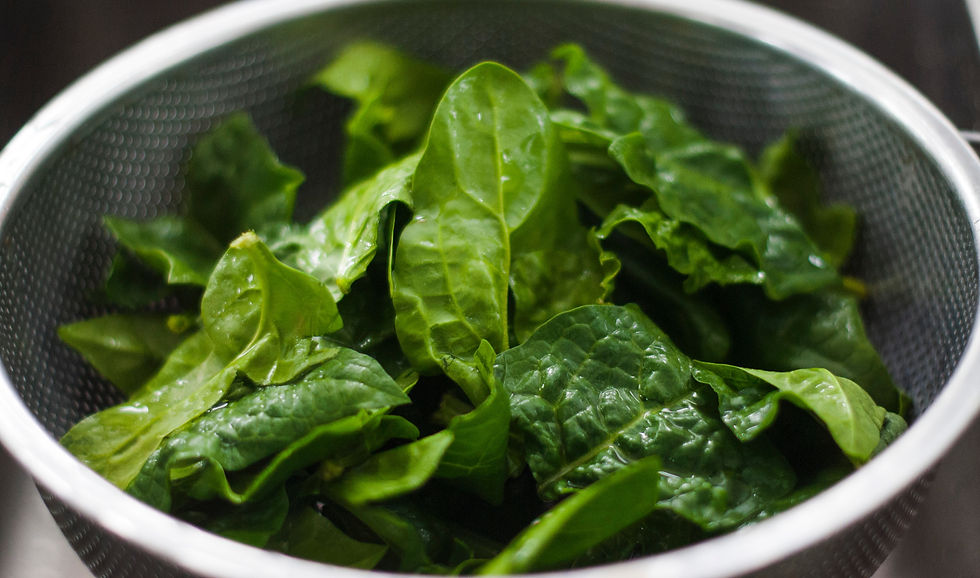
Blanching—a quick boil followed by an ice-water bath—dramatically reduces oxalate levels while retaining most of the nutrients.
Here’s how blanching helps:
1. Removes Up to 90% of Oxalates:
Oxalates are water-soluble, and blanching draws them out into the cooking water.
Discarding this water means discarding the oxalates.
2. Preserves Nutrients:
Blanching is a quick process, so it minimizes vitamin loss.
It actually enhances the bioavailability of vitamins A and K—both important for bone and blood health.
3. Makes Spinach Safer and Smarter for Midlife Nutrition:
You’ll still get the fiber, folate, and antioxidants without the calcium-blocking downside.
Other High-Oxalate Foods to Watch
If you’re focused on bone strength and reducing kidney stone risk, it’s worth being mindful of other high-oxalate foods, including:
Nuts and seeds: Almonds, cashews, sesame, peanuts
Leafy greens: Swiss chard, beet greens, kale
Root veggies: Beets, sweet potatoes, carrots, and potato skins
Final Thoughts for Women in Perimenopause and Menopause
As your body transitions, every nutrient counts—especially calcium, vitamin D, magnesium, and iron. Knowing how to prep your foods for maximum nutrient absorption can make a major difference in your energy levels, bone density, and overall wellness.
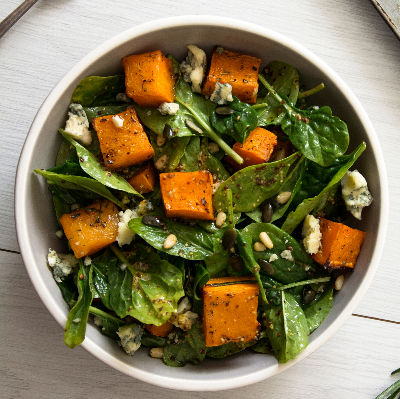
Blanch your spinach, toss the water, and enjoy all the leafy green goodness without the oxalate overload. Your bones will thank you.
SEO Keywords Included:
perimenopause nutrition
menopause and bone health
oxalates in spinach
calcium absorption in menopause
high oxalate foods to avoid
how to blanch spinach
menopause-friendly diet
bone health over 40
superfoods for women in menopause
calcium-rich foods for perimenopausal women


Comments